
Arizona Heat and Your Roof: What to Maintain
A roof can be aging even when it is not leaking. Arizona property owners benefit from a maintenance plan that accounts for sunlight, high temperatures, and the condition of the entire roof assembly.
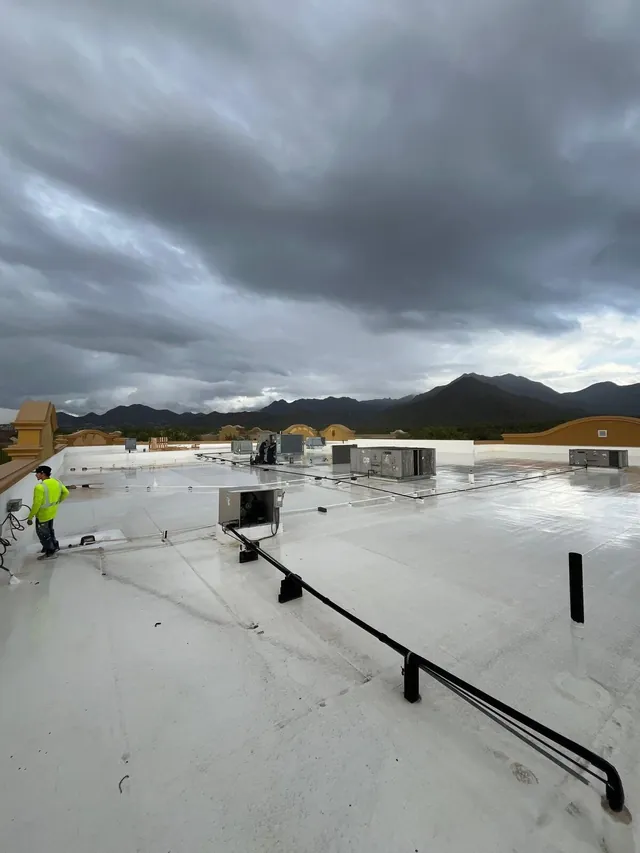
Heat and sunlight affect more than appearance
Prolonged heat and ultraviolet exposure can contribute to roofing material deterioration. Temperature changes also cause materials to expand and contract. These are reasons to inspect an aging roof, but they do not establish that every roof needs the same repair or replacement schedule.
Ask about the complete assembly
During an inspection, ask about the roof covering, flashings, penetrations, drainage, and accessible underlying components. On tile roofs, the underlayment and flashing remain important even when the visible tiles look intact. Ask the inspector to explain which areas were examined and where access was limited.
For a home with a ventilated attic, ask whether its ventilation is appropriate for the assembly. GAF identifies properly balanced attic ventilation as one way to help heat and moisture escape. Roof design matters, so adding vents without assessing the existing system is not a maintenance plan.
Compare reflective products carefully
A cool roof reflects more sunlight, releases heat effectively, or uses both characteristics to reduce heat at the surface. Ask about the specified product’s reflectance and emittance rather than relying only on its color. The effect on your building depends on its climate, insulation, and other conditions.
If a coating is proposed, ask why it is suitable for the existing roof and what preparation or repairs are included. Get the product and application requirements in writing. A maintenance proposal should identify the roof it is designed for.
Keep a useful maintenance record
- Save installation dates, product information, and warranty documents.
- Record inspections and completed repairs with dated photographs.
- Note recurring leaks or areas that need repeated attention.
- Ask which items need work now and which should be monitored.
Those records help you plan the next inspection around your roof’s actual condition. If you notice a new leak or a visible change, arrange an assessment instead of waiting for the next planned visit.
Roof inspections and maintenance planning
Further Reading
Have a question about your roof?
Tell us what you have noticed. We can inspect the roof and discuss the appropriate next step.
Get a Free Inspection